CBGA
Showing all 3 products
-
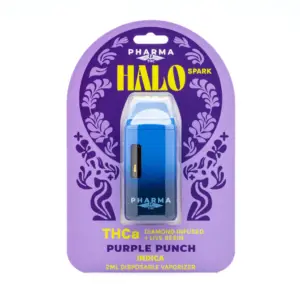
PharmaTHC THCa Diamond Infused and Live Resin Halo Spark Disposable Vape – Purple Punch
$29.95 Add to cart -

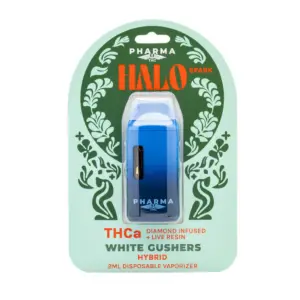
PharmaTHC THCa Diamond Infused and Live Resin Halo Spark Disposable Vape – White Gushers
$29.95 Add to cart -
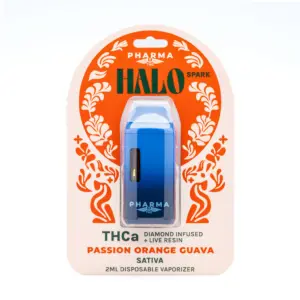
PharmaTHC THCa Diamond Infused and Live Resin Halo Spark Disposable Vape – Passion Orange Guava
$29.95 Add to cart

CBGA Products
CannaBuddy presents a finely curated collection of the coveted CBGA cannabinoid. This cannabinoid is known for its versatility and wide range of health and therapeutic effects. CBGA makes a perfect addition to any self-care routine and can even enhance the properties of other cannabinoids. So, what is CBGA? Of the 120+ cannabinoids identified, cannabigerolic acid (CBGA) is the first one to form in the cannabis plant during the early growing stages. As the plant continues to grow, CBGA is converted by decarboxylation into cannabigerol (CBG), tetrahydrocannabinolic acid (THCa), cannabichromene (CBCA), and cannabidiolic acid (CBDA). As the plant matures, dries, and is processed, THCa and CBDA are converted into the more well known tetrahydrocannabinol (THC) and cannabidiol (CBD). Due to the amazing properties of CBGA, cannabis enthusiasts the world over often refer to this cannabinoid as the “stem cell” or “mother” of all cannabinoids. Studies have shown that CBGA may support heart health, could have anti-cancer properties, and might serve as a potent anti-inflammatory. The CannaBuddy line of CBGA products includes vape cartridges, disposable vapes, topicals, tinctures, and more. Each one is third-party lab tested for purity to ensure a consistent level of cannabis self-care. Check out the full line of products below. Cannabigerolic acid (CBGA) is the precursor to all the other cannabinoids found within the cannabis plant. It is considered to be a raw cannabinoid as it has not been exposed to heat or light. Unlike most other cannabinoids, CBGA does not interact with the CB receptors in the body. Instead, CBGA affects the bodys’ serotonin levels, cellular health, and perception of pain by interacting with the 5-HT1A receptors in the body. Studies specifically using CBGA are still in the early stages, but this cannabinoid has shown promise in helping regulate metabolism.What are the Effects of CBGA?
As a phytocannabinoid, CBGA doesn’t affect the body like other cannabinoids do. Instead of bonding to the body’s CB receptors in the body, CBGA interacts with the 5-HT1A receptors throughout the endocannabinoid system. These receptors are known for sending signals through the body. This ability to interact with the endocannabinoid system can aid in helping other cannabinoids bond better to the body’s CB receptors, and in some cases, increase the effects.What are the Potential Benefits of CBGA?
There are not many studies that have been conducted exclusively to examine the effects of CBGA. Preliminary results are very promising for an array of potential benefits. They include: Protectant from SARS-CoV2: Oregon State University found that CBDA and CBGA can bind the spike protein markers of COVID-19. This blocks the virus’ ability to infect healthy cells. Regulate Metabolic Disorders: CBGA may enhance the body’s ability to properly process nutrients. It has the potential to help with controlling weight gain, regulating blood sugar levels, and reducing heart disease. Potential Anti-cancer: Several studies have correlated a reduction in some cancers to the use of cannabis. As the precursor to all cannabinoids, many researchers think CBGA could hold potentially strong anti-cancer properties.How to Use CBGA Products?
CBGA can be applied to the skin as a topical or tincture. It can be vaped as part of an entourage of cannabinoids in vape cartridges or vape disposables. Many people consume CBGA as a capsule or in edibles, like cookies and gummies.What are the Different Types of CBGA Products?
Topicals, tinctures, and capsules are the most common forms of CBGA. It is also available as a vape cartridge or vape disposable, but it is usually paired with other cannabinoids in this form.What is the Difference Between CBG and CBGA?
CBG: Cannabigerol is a direct result of the decarboxylation of CBGA. As the plant is heated, the carboxylic acid group naturally falls off. CBG then converts into THC and CBD as the plant matures. CBG has the potential to reduce pain, anxiety, and inflammation. CBGA: Cannabigerolic acid is the first cannabinoid to appear in the young cannabis plant. It is converted into CBG as the plant matures. Less than1% of the overall plant contains any CBGA. Specific cannabis plants have to be cultivated to extract this cannabinoid.Does CBGA Get You High?
CBGA is not known for interacting with the CB receptors like other cannabinoids. So, there is usually no euphoric or “high” feeling after ingesting CBGA.Is CBGA Legal?
The 2018 Farm Bill allows cannabis products containing less than 0.3% Delta 9 THC by dry weight to be considered and sold as hemp. CBGA meets this requirement, so it is legal to obtain and consume.Where Can You Buy CBGA Products?
CannaBuddy has curated a premium collection of CBGA products. Try pairing it with Delta 9 THC, Delta 8 THC, HHC, or THCa to experience the entourage effect. Be sure to check out our complete cannabis product line.