Indica
Showing 1–16 of 23
-

THCa Flower Pre-Roll Black Ice
Starting From: $12.50 — Subscribe & Save up to 15% Add to cart -

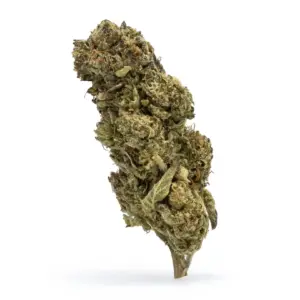
THCa Flower Sex Panther
Price range: $14.00 through $220.00 — Subscribe & Save up to 15% Select options This product has multiple variants. The options may be chosen on the product page -
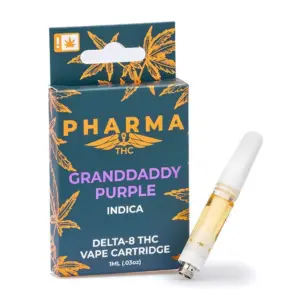
PharmaTHC Delta 8 THC Vape Cartridge – Granddaddy Purple
$24.95 — Subscribe & Save up to 15% Add to cart -
Sale!
Asheville Dispensary 3 gram THCa Disposable Vape – Fruit
Original price was: $45.95.$39.95Current price is: $39.95. — Subscribe & Save up to 15% Add to cart -
THCa Flower Pre-Roll Uncle Snoop
Starting From: $12.50 — Subscribe & Save up to 15% Add to cart -
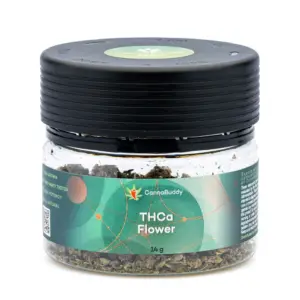
THCa Flower Shake – 14 grams
$79.95 — Subscribe & Save up to 15% Add to cart -
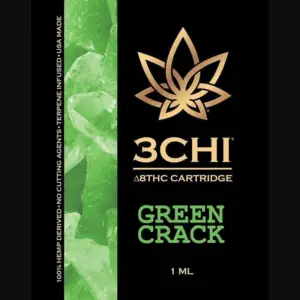
3Chi Delta 8 THC Vape Cartridge with Botanical Derived Terpenes – Green Crack
$34.95 — Subscribe & Save up to 15% Add to cart -
THCa Flower Ice Cream Cookies
-
THCa Flower Mendo Breath
Price range: $11.00 through $180.00 — Subscribe & Save up to 15% -
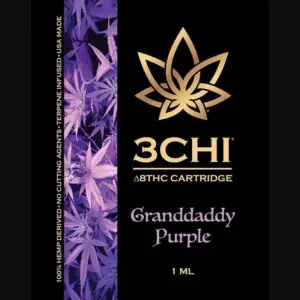
3Chi Delta 8 THC Vape Cartridge with Botanical Derived Terpenes – Granddaddy Purple
$34.95 — Subscribe & Save up to 15% -
THCa Flower Jokerz Candy
Price range: $11.00 through $180.00 — Subscribe & Save up to 15% -
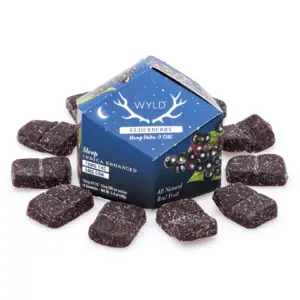
Wyld Delta 9 / CBN Sleep Gummies – Elderberry – 10 Count (100 mg Delta 9 THC + 50 mg CBN Total)
$29.95 — Subscribe & Save up to 15% -
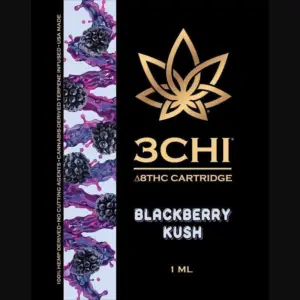
3Chi Delta 8 THC Vape Cartridge with Cannabis Derived Terpenes – Blackberry Kush
$34.95 — Subscribe & Save up to 15% -
Sale!
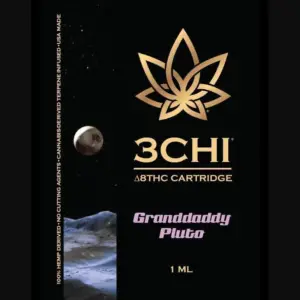
3Chi Delta 8 THC Vape Cartridge with Cannabis Derived Terpenes – Granddaddy Pluto
Original price was: $34.95.$19.95Current price is: $19.95. — Subscribe & Save up to 15% -
3Chi Delta 8 THC Vape Cartridge with Cannabis Derived Terpenes – Ice Cream Cake
$34.95 — Subscribe & Save up to 15% -
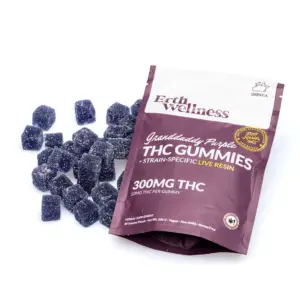
Erth Wellness Delta 9 THC Live Resin Gummies – Granddaddy Purple
$30.95 — Subscribe & Save up to 15% -
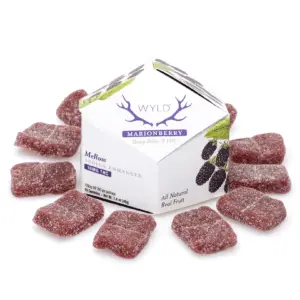
Wyld Delta 9 THC Mellow Indica Gummies – Marionberry – 10 Count (100 mg Delta 9 THC Total)
$24.95 — Subscribe & Save up to 15%






Indica is the end-of-day side of the menu: the strains and products people reach for when the plans are cancelled and the couch has won. Indica has long been linked to a heavier, body-forward kind of relaxation. If sativa is the morning coffee of cannabis, indica is the evening wind-down.
How much does the label really tell you? Some, but not everything. "Indica" and "sativa" started out as botanical terms, and today they say more about the experience you can expect than about the plant's family tree. What shapes how a product feels is its cannabinoid and terpene profile. Indica-labeled options tend to lean on terpenes like myrcene and linalool, which is why so many of them smell earthy or floral and feel mellow rather than racy. We think the terpene list is the most underrated line on any label, so we show those profiles wherever we have them.
This collection pulls the indica picks from across the shop into one spot. That means THCa (tetrahydrocannabinolic acid) flower, THCa dabs and diamonds for the concentrate crowd, and carts, live resin included. On the edible side there are Delta 9 THC (tetrahydrocannabinol) gummies and candies, with brands such as Wyld labeling theirs by strain type, plus CBN (cannabinol) gummies. Compare product details and available lab results before you commit.
Plenty of people who shop indica already know they like a heavier, more grounded feel. Just as many are newer and want something low-key for a quiet night in. Our advice is the same for both: start low, go slow, and give it time before you reach for more. Flavor, format, ingredients, and strength all have a part to play, and there's more to finding the right indica than picking the highest number on the label.
FAQs
What's the difference between indica and sativa?
Traditionally, indica is associated with relaxing, body-focused effects and sativa with a more uplifting, heady feel. Hybrids land somewhere in between. Terpenes and cannabinoid ratios tend to do more to shape how a product feels than the label does, so treat "indica" as a useful starting point rather than a guarantee. When a terpene profile is listed, read it.
Are indica products stronger than sativa?
Not inherently. Strength comes down to THC content and your dose. An indica gummy and a sativa gummy with the same milligrams are the same strength, even if they feel different. If you want something gentle, look at the milligrams per serving first and the strain type second.
When do people usually use indica products?
Most shoppers save indica for evenings, weekends, or any time they're staying put. Think movie night or a lazy Sunday. The effects tend to be heavier and more physical, so indica is rarely the pick for a busy afternoon with a to-do list.
Does "indica" apply to edibles and carts, or just flower?
All of the above. With flower, the label refers to the strain itself. With gummies and carts, it usually means the product was made with an indica-leaning terpene blend to steer the experience in that direction. Wyld labels its gummies this way so you can pick by the kind of night you want as well as by flavor.
How much should I take if I'm new to indica?
Less than you think. For edibles, a 2.5 to 5 mg serving is a common starting point, and you'll want to wait a full hour or two before considering more. For flower or carts, a puff or two and a pause goes a long way. Everyone's sweet spot is different, and finding yours is a lot more enjoyable when you sneak up on it.
Ready to slow things down? Compare the lab results, pick what sounds right for your night, and shop the full collection if you'd like to see everything we carry in one place. Not sure where to start? Our team in Charlotte and Matthews is happy to point you in the right direction.